Understanding the Terminology of Clean Energy: A Guide for Non-Experts
When discussing clean energy, particularly in English, it can be overwhelming to navigate through unfamiliar terms. Whether you're a student, professional, or simply curious about renewable resources, this guide aims to simplify these concepts.
1. Solar Energy
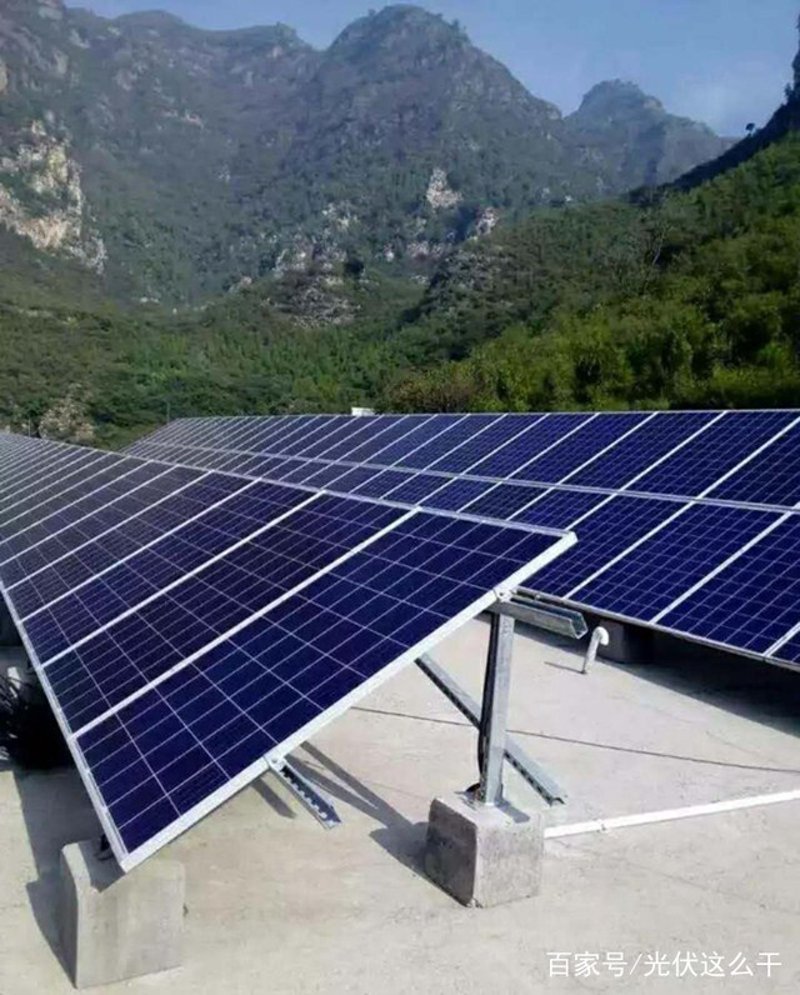
Solar energy refers to the power generated from the sun’s rays. In English, it is commonly known as solar energy. This includes technologies like photovoltaic (PV) systems and concentrated solar power (CSP).
2. Wind Energy
Wind energy harnesses the kinetic force of wind to generate electricity. The technical term for this in English is wind energy. It encompasses both onshore and offshore wind turbines.
3. Hydroelectric Power
Hydroelectric power involves using water flow from rivers or dams to produce electricity. In English, it’s known as hydroelectricity. Dams are a common method for this type of energy production.
4. Geothermal Energy
Geothermal energy taps into the Earth's internal heat for power generation. The term in English is geothermal energy. This form of energy is particularly useful where geologically active regions are located.
5. Biomass Energy
Biomass energy involves converting organic matter into fuel. In English, it’s known as biomass energy. This includes wood, agricultural waste, and other plant materials.
In conclusion, understanding the terminology of clean energy is crucial for anyone interested in renewable resources. By familiarizing yourself with these key terms, you can better engage with discussions on sustainable power solutions. Whether you're looking to invest in a solar panel system or simply want to contribute to environmental discussions, knowledge about these concepts will serve as your foundation.